DAY 7: NAURO TO UA ULE CREEK
Monday 12 October
The day began with one of the toughest starts of the trek: a steep climb directly out of camp. There was little opportunity for an easy warm-up, as the track immediately turned upwards and demanded a sustained effort from the group. For approximately an hour, the trekkers climbed steadily through the jungle, following the uneven track towards the summit.
The ascent was physically demanding after so many consecutive days on the track. Despite the great weather, legs were already tired, shoulders were carrying the familiar weight of heavy packs, which made the climb feel even more strenuous. Everyone settled into a careful rhythm, concentrating on one step at a time and taking advantage of occasional pauses to drink water and catch their breath.
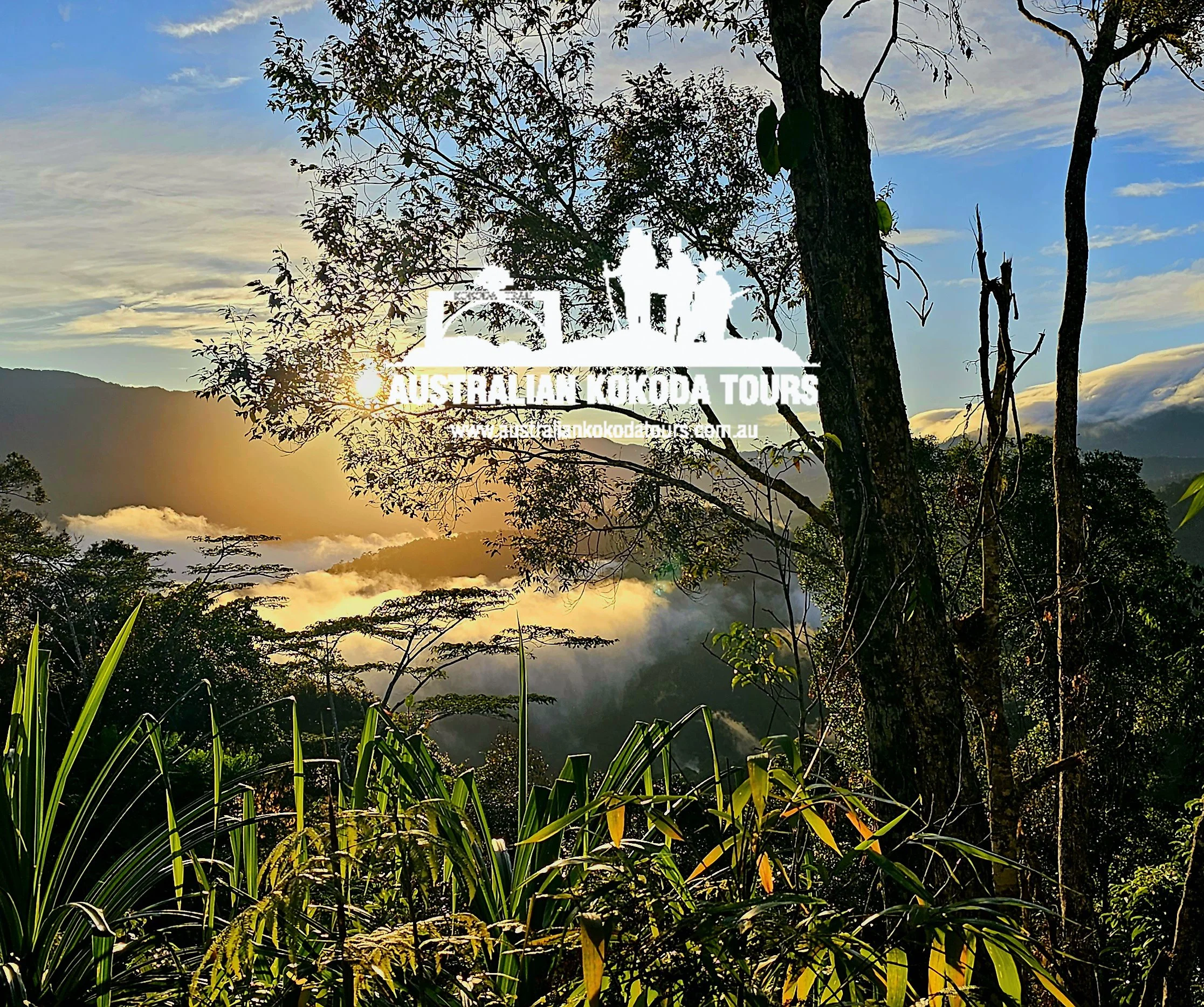
When the group finally reached the summit, the effort was rewarded with spectacular views across the Maguli Ranges. From this elevated position, the surrounding ridges and valleys stretched away into the distance, giving the trekkers a clear sense of the rugged country they had crossed. The landscape was both beautiful and imposing, with ridge after ridge disappearing towards the horizon.
The summit also carried considerable historical significance. During the Kokoda campaign, Japanese forces reached this area and are believed to have reported seeing the lights of Port Moresby from this vantage point. For the trekkers, standing on the summit and looking out across the ranges created a powerful connection with the events of 1942. The distant landscape offered a vivid reminder of how close the Japanese advance had come to Port Moresby and how difficult the terrain would have been for troops moving through the area.
After taking time to appreciate the views and reflect on the history, the group continued along the track. The next section involved a long traverse followed by a gradual descent, taking approximately 90 minutes. Although it was not as steep as the climb from camp, the distance and uneven surface continued to test the group. The hot conditions meant that water breaks were essential, and everyone was pleased when the group finally stopped for a rest.
The break provided an opportunity to remove packs, stretch legs and cool down. The trekkers had already completed a significant amount of climbing and descending, and there was still a long day ahead. Once everyone had recovered, the group shouldered their packs again and continued for another 60 minutes towards a series of Japanese slit trenches.
The trenches offered another important historical encounter. Partially concealed among the vegetation and earth, they reflected the defensive positions established by Japanese troops during the campaign. The trekkers spent time examining the remains and listening to the explanations about how the positions had been used. Seeing these sites in person made the history feel tangible. Rather than being distant events described in books, the campaign was represented by the earthworks, trenches and remnants still visible in the forest.
From the slit trenches, the track descended towards Ofi Creek. The descent was relatively short, but after the morning’s exertion everyone was eager to reach the water. By the time the group arrived, the hot and dry conditions had taken their toll. A swim in the creek was therefore a welcome and much-needed relief.
The cool water helped wash away sweat and dust and provided a chance for the trekkers to recover physically. Some took the opportunity to swim, while others simply sat beside the creek, soaked their feet or filled water bottles. The break also lifted the mood of the group, providing a refreshing change from the relentless heat of the track.
After leaving Ofi Creek, the trekkers faced another climb towards the campsite, where they stopped for morning tea. The uphill walk was challenging after the swim and the earlier sections of the day, but the promise of food and another short rest helped everyone keep moving. Reaching the campsite gave the group a valuable opportunity to refuel before the next major ascent.
Following morning tea, the group began the demanding climb towards Irobaiwa Ridge. The track rose steadily through dry terrain and this section required determination, as the trekkers were already carrying the fatigue of the morning’s climb, traverse, descent and historical site visits.
Irobaiwa Ridge is one of the most significant locations along the Kokoda Track. It marked the furthest advance of the main Japanese army during the campaign. Reaching the ridge therefore represented both a physical and historical milestone for the group. The climb was difficult, but everyone understood the importance of the location and continued to push upwards.
When the trekkers reached the ridge, packs were dropped so the group could make a short side trip to a Japanese ammunition dump and additional slit trenches. Moving without full packs offered some relief, although the heat and uneven ground still made the walk demanding. The ammunition dump and trench system provided further insight into the scale of the Japanese advance and the military activity that once took place in this remote area.
The group explored the site before returning to the main track and collecting their packs. From Irobaiwa Ridge, the trail descended into Irobaiwa Village. The downhill section was welcome after the ascent, although it placed additional pressure on tired knees and required care on the loose and uneven surface.
The trekkers reached the village in time for lunch. Everyone was ready for the pause, and the meal provided an important opportunity to restore energy after the morning’s demanding climbs. The group was tired, hot and dusty, but the sense of achievement was clear. They had visited several significant wartime sites and crossed another major section of the track.
During the afternoon, the trekkers continued down towards Ua Ule Creek. The descent provided some relief from the hill’s, particularly as the sound of flowing water gradually became louder. On reaching the creek, the group stopped briefly to rest, drink and prepare for the final stretch of the day.
The route then followed the creek towards the campsite. The track crossed the water approximately a dozen times, turning the final section into a mixture of walking, wading and careful balancing. Each crossing required the trekkers to find a safe route across the rocks and swiftly moving water. Boots and socks were inevitably wet, but the creek crossings also provided a welcome change from the dry, dusty conditions earlier in the day.
The sound of the water accompanied the group as they made their way downstream. Although the crossings were tiring and required concentration, they added a memorable final element to the day. The cool water around the feet and the shade of the surrounding vegetation made the route more comfortable than the exposed sections above.
Reaching camp at 4pm marked the completion of their final full night on the Kokoda Track. Packs were put down, boots were removed and the group began settling into camp. After such a demanding day, everyone was ready to rest, eat and recover.
There is now a real sense of excitement throughout the group. The trekkers are looking ahead to tomorrow’s climb over Imita Ridge, the final major challenge of the journey. Beyond Imita Ridge lies Owers’ Corner and the finish line—the point where this extraordinary trek will come to an end.
There is likely to be a mixture of emotions when they arrive: relief, pride, exhaustion and perhaps some sadness that the journey is over. For now, however, they are enjoying their final evening on the track, reflecting on the people they have met, the history they have encountered, the hardships they have overcome and the many kilometres they have travelled together.
Tomorrow will be the final push, but tonight the group can take satisfaction in knowing that they have almost completed one of the most challenging and rewarding journeys of their lives.